The Hidden Cost of Tiny Digital Annoyances
No single glitch ruins your day. But a hundred small ones quietly drain attention, patience, and trust. Here’s how to see them — and why it matters.
The Editorial Team
· 1 min read
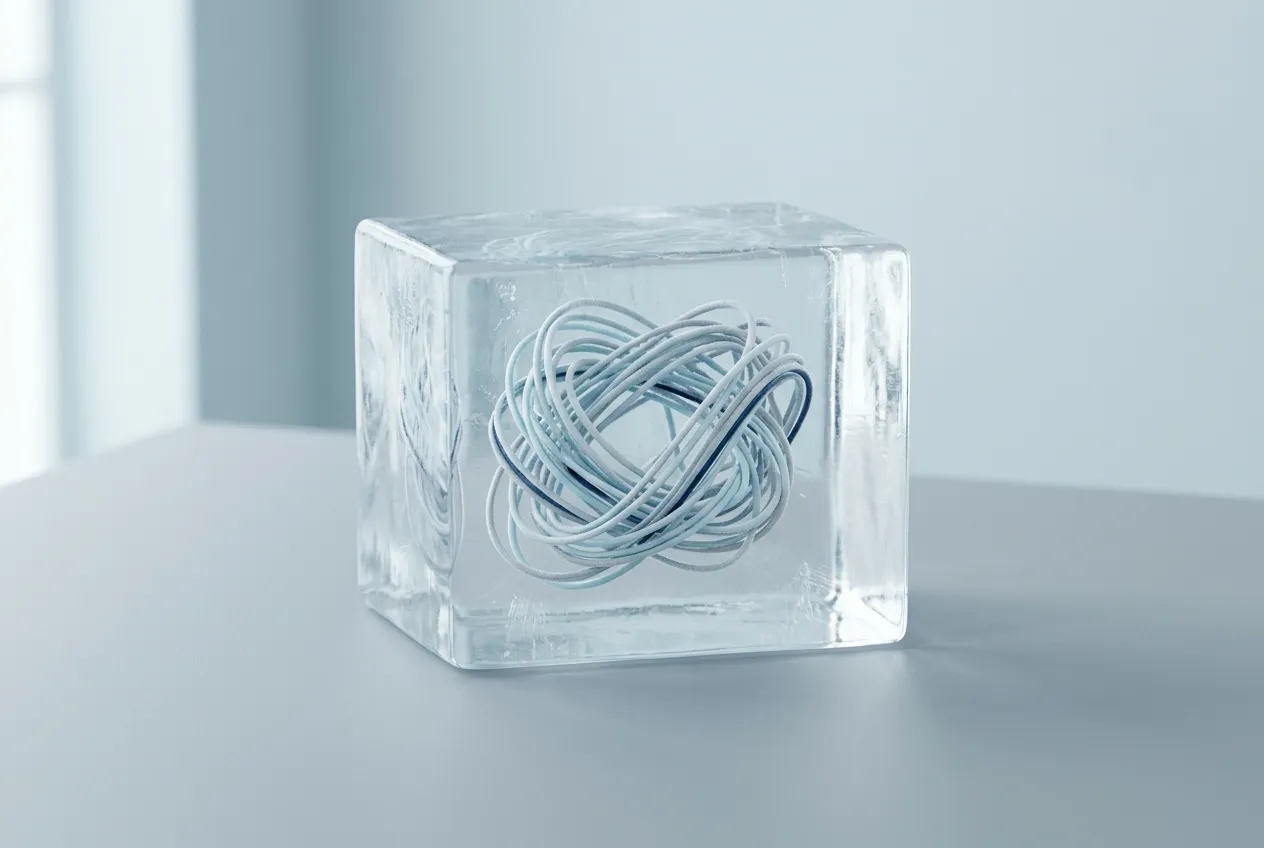
A spinner that lasts three seconds too long. A cookie banner that covers the content. A form that rejects your phone number because you used spaces. None of these is a disaster. That’s exactly why they’re dangerous.
Friction hides in plain sight
Big failures get noticed and fixed. Small annoyances get tolerated. We adapt to them, build little habits around them, and eventually stop seeing them at all. But our brains still pay for each one.
Every interruption asks for a sliver of attention: re-reading, re-entering, re-orienting. Spread across a day, a team, or an entire customer base, those slivers become something real.
Three costs you don’t see on a dashboard
1. Attention. Each small hiccup pulls you out of focus. Getting back takes longer than the hiccup itself.
2. Patience. Frustration accumulates. The tenth tiny problem feels far bigger than the first, even if it’s identical.
3. Trust. When a product repeatedly makes people feel slow or clumsy, they stop giving it the benefit of the doubt — and start looking elsewhere.
Learning to notice again
The first step to freezing frustration is simply seeing it. Try this for one day:
- Keep a short note open on your phone or desk.
- Every time a tool makes you sigh, pause, or mutter, jot down one line about it.
- At the end of the day, look for patterns.
Most people are surprised by the length of the list. And almost everyone finds two or three items that would take minutes to fix.
Small fixes, outsized relief
Because these frictions are small, so are many of the solutions: a clearer label, a remembered setting, a removed step. The payoff, though, is disproportionate. Removing one daily annoyance gives you back a little calm every single day.
That’s the quiet math of digital friction. It works against you when ignored — and for you once you start freezing it.
Freeze the Frustration
Enjoyed this? Stay updated.
Get the next essay in your inbox — calm, occasional, and useful.
Keep reading
The Research Behind “Freeze the Frustration”
Digital frustration isn’t just a feeling. Two decades of research have measured how much time, focus, and calm it costs. Here’s what the studies found, and what they suggest we do about it.
October 12, 2026

What “Freeze the Frustration” Really Means
Our name for a simple idea: when technology frustrates you, don’t push harder — pause, see the friction clearly, and stop it from spreading.
October 9, 2026
Designing for the Frustrated User: Empathy as a UX Practice
We tend to design for people at their best. But real users are often tired, rushed, and distracted. Designing for that moment changes everything.
October 9, 2026